


Low carbon steel accounts for a large proportion of materials used in automotive body manufacturing.
As globally accepted products under the European standard system, DC series low carbon steel serves as the basic standard material for all automobile manufacturers. This article will briefly analyze the material characteristics, mechanical properties, CAE simulation models, and specific applications of DC01-DC07 cold-rolled steel plates and DC51D + ZF-DC57D + ZF zinc-alloy galvanized plates in automotive vehicles.
Material Classification and Standard System
DC series low carbon steels are strictly divided into two categories for different application scenarios.
1.1 Cold Rolled Low Carbon Steel Sheets (DC01-DC07)
Applicable Standard: EN 10130:2020 (latest European standard), equivalent to Chinese standard GB/T 5213-2019.
•Key Features: Excellent surface quality, superior formability and lowest cost.
•Its main performance advantages are as follows. Thanks to low carbon content and strict impurity control, the steel boasts outstanding cold formability, which enables easy implementation of basic processes such as bending and stamping. It also has good weldability, and is suitable for high-precision flattening, slitting and cutting with stable dimensional accuracy after processing.
In terms of surface and dimensional performance, cold rolling and finishing processes deliver a smooth surface free of obvious scale, cracks and other defects, so subsequent coating can be performed without extra grinding. In addition, the products feature high precision in thickness and width with good batch consistency.
Grade Designation Definition:
D: Flat steel for cold forming
C: Cold rolled base sheet
Numeral: Represents the forming grade, the larger the number, the better the formability
1.2 Hot-dip Galvannealed Steel Sheets (DC51D+ZF ~ DC57D+ZF)
•Applicable Standard: EN 10346:2022 (the latest European standard), corresponding to Baosteel Standard Q/BQB 420-2020.
•Key Features: A zinc-iron alloy coating is applied on the cold rolled substrate, improving corrosion resistance and paint adhesion by more than three times.
•Grade Designation Definition:
•The first two letters D: Flat steel for cold forming
•Figures 51 to 57: Formability grades corresponding to DC01-DC07 (Grade 55 is omitted in the standard)
•The third letter D: Hot-dip galvanized
•+ZF: Zinc-iron alloy coating (Galvannealed), distinct from pure zinc coating + Z
Core Material Models for CAE Simulation
In automotive collision and stamping simulations, the DC series low-carbon steel is mostly modeled using the following two types:
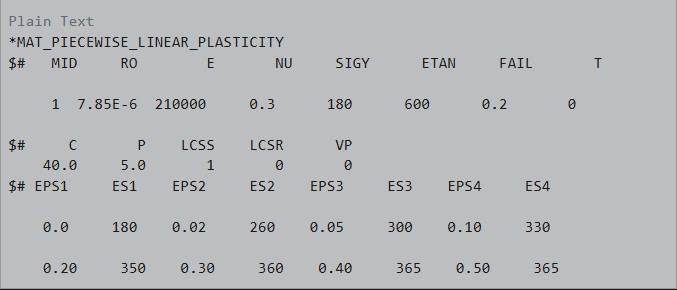
2.1 Preferred Model for Crash Simulation: MAT_024
Piecewise Linear Plasticity Model, applicable to crash and stiffness analysis of all DC steels.
•General basic parameters (for all DC steels):
•Density ρ = 7.85e-6 kg/mm³
•Young's modulus E = 210 GPa
•Poisson's ratio ν = 0.3
•Strain rate parameters: C = 40.0, P = 5.0 (general recommended values; measured material data shall be used for high-precision simulation)
•Required input: True stress-plastic strain curve (measured data within the plastic strain range of 0 to 0.5 is recommended)
2.2 Preferred Model for Stamping Simulation: MAT_124
3-parameter Barlat Yield Model, which accurately simulates the anisotropy of steel sheets.
•Additional inputs required: Plastic strain ratio (r-value) and work hardening exponent (n-value) (refer to the mechanical property table for different grades)
•Supplementary note: MAT_133 (Barlat Yld2000) is recommended for high-precision stamping simulation for better accuracy.
Typical MAT_24 Model Code for DC04
Mechanical Properties
3.1 Mechanical Properties of Cold Rolled DC01-DC07 (EN 10130:2020)
|
Grade |
Yield Strength Range (MPa) |
Tensile Strength, Range. (MPa) |
Minimum elongation A80 (%) |
r90(min) |
n90(min) |
Formability grade |
|
DC01 |
140-280 |
270-410 |
28 |
|
|
General forming |
|
DC03 |
140-240 |
270-370 |
34 |
1.4 |
0.18 |
Shallow drawing |
|
DC04 |
120-210 |
270-350 |
38 |
1.6 |
0.18 |
Deep drawing |
|
DC05 |
120-180 |
270-330 |
40 |
1.8 |
0.20 |
Extra deep drawing |
|
DC06 |
110-170 |
270-330 |
42 |
2.0 |
0.22 |
Ultra-deep drawing |
|
DC07 |
100-150 |
250-310 |
44 |
2.5 |
0.23 |
Extreme deep drawing |
3.2 Mechanical Properties of Galvannealed Steel DC51D+ZF~DC57D+ZF (EN 10346:2022)
|
Grade |
Yield Strength Range (MPa) |
Tensile Strength, Range. (MPa) |
Minimum elongation A80 (%) |
r90(min) |
n90(min) |
Formability grade |
|
DC51D+ZF |
140-300 |
270-500 |
22 |
- |
- |
Bending forming |
|
DC52D+ZF |
140-300 |
270-420 |
28 |
1.4 |
0.18 |
Normal drawing |
|
DC53D+ZF |
140-260 |
270-380 |
32 |
1.6 |
0.18 |
Deep drawing |
|
DC54D+ZF |
120-220 |
260-350 |
36 |
1.8 |
0.20 |
Extra deep drawing |
|
DC56D+ZF |
110-180 |
260-330 |
40 |
2.0 |
0.22 |
Ultra-deep drawing |
|
DC57D+ZF |
100-160 |
250-310 |
44 |
2.5 |
0.23 |
Extreme deep drawing |
Key Performance Notes
•Yield Strength: For cold rolled low carbon steels DC01~DC07, the higher the grade number, the lower the carbon content and the more microalloying elements added. Accordingly, the yield strength decreases gradually, while the elongation and deep drawability improve. A lower yield strength means less resistance to plastic deformation and better formability. DC07 delivers the optimal formability in this series and is suitable for extremely complex deep drawing processes.
•Elongation: The larger the number, the better the plasticity, and the less likely it is to crack.
•r-value: A core indicator for deep drawability. Higher r-value stands for superior deep drawing performance.
•n-value: A key parameter for stretch forming. Higher n-value means better uniform deformation capacity.
Targeted Applications on Vehicle Components
4.1 Exterior Body Panels
Galvanized steel sheets are predominantly used for exterior body panels of mainstream passenger vehicles, while a small number of cold rolled steel sheets are still applied on low-end commercial vehicles.
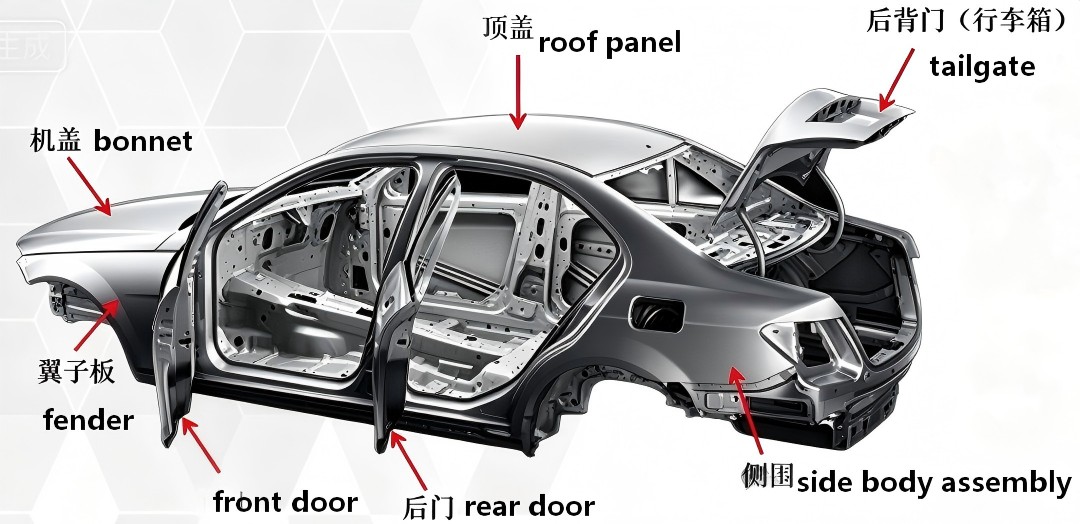
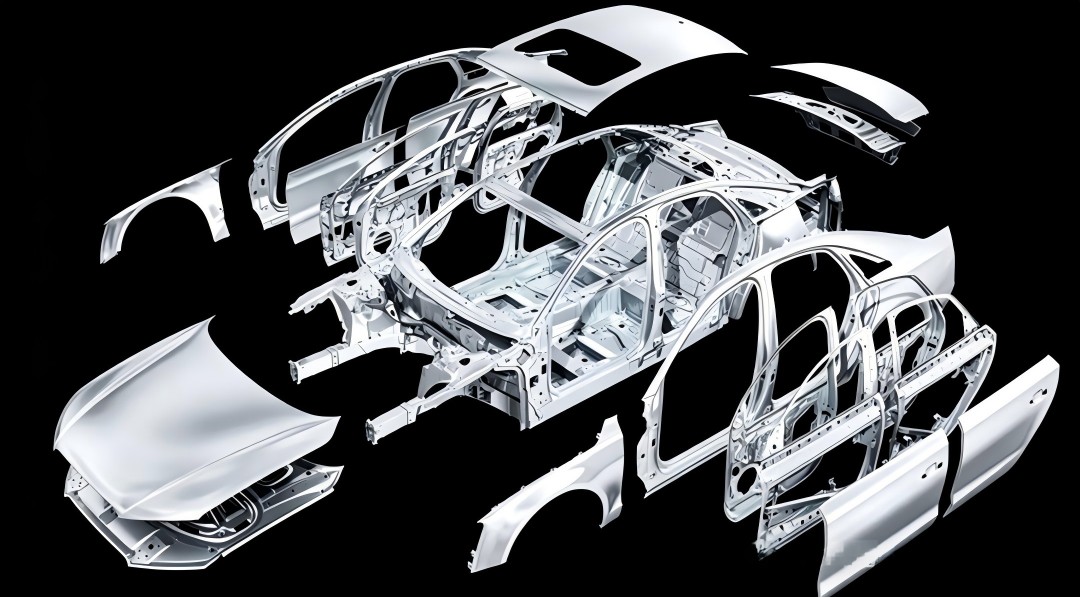
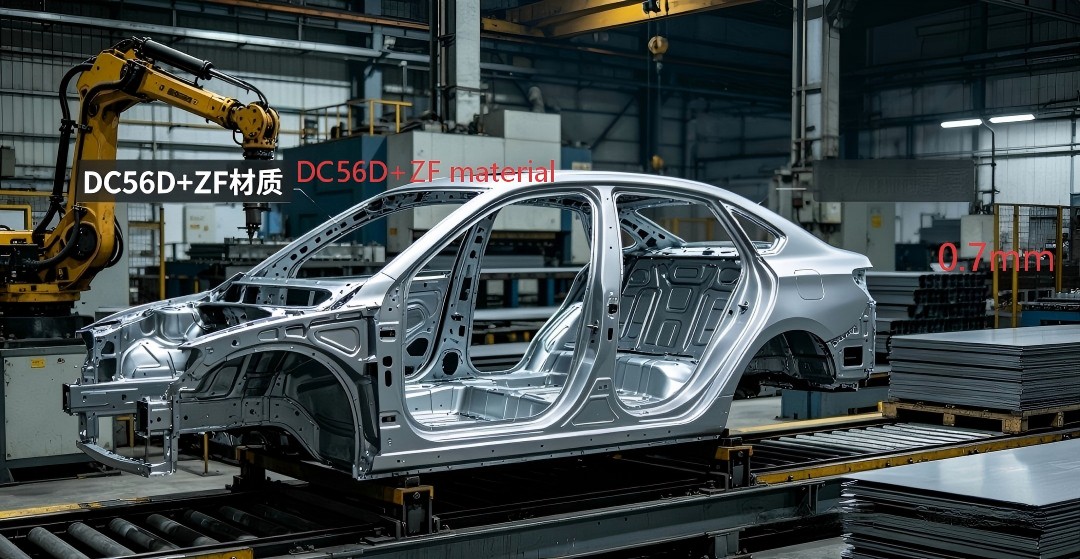
Figure 1: Body Side Outer Panel (DC56D+ZF / 0.7mm) – The largest and most complex exterior panel of vehicle body
|
Component Name |
Preferred Grade |
Alternative Grade |
Application Description |
|
Body Side Outer Panel |
DC56D+ZF |
DC54D+ZF |
The largest body panel, with the most complex shape |
|
Door Outer Panel |
DC54D+ZF |
DC53D+ZF |
Zero tolerance for surface defects |
|
Luggage Lid Outer Panel |
DC54D+ZF |
DC53D+ZF |
Large curvature variations |
|
Hood Outer Panel |
DC53D+ZF |
DC52D+ZF |
Must meet the requirements for impact resistance |
|
Fender |
DC53D+ZF |
DC52D+ZF |
Must precisely match with surrounding components |
|
Roof Outer Panel |
DC53D+ZF |
DC52D+ZF |
Large area of thin plates, with high requirements for flatness |
4.2 Interior Body Panels and Structural Components
Figure 2: Front Floor Assembly (DC04 / DC54D+ZF / 0.8mm) – Large-area stamped part
|
Component Name |
Preferred Grade |
Alternative Grade |
Application Description |
|
Door Inner Panel |
DC06/DC56D+ZF |
DC05/DC54D+ZF |
Features numerous holes and complex flanges |
|
Hood Inner Panel |
DC05/DC54D+ZF |
DC04/DC53D+ZF |
Equipped with abundant stiffener structures |
|
Floor Main Panel |
DC04/DC54D+ZF |
DC03/DC52D+ZF |
Large-area stamped part |
|
Dash Panel |
DC04/DC54D+ZF |
DC03/DC52D+ZF |
Separates engine compartment and passenger compartment |
|
Sill Reinforcement |
DC03/DC52D+ZF |
DC01/DC51D+ZF |
Enhances side impact safety |
|
Pillar Reinforcement |
DC03/DC52D+ZF |
DC01/DC51D+ZF |
Improves vehicle body torsional stiffness |
4.3 Chassis and Special Components
Plastic fuel tanks are widely adopted in passenger vehicles, while metal fuel tanks are still used for commercial vehicles and some special-purpose vehicles.
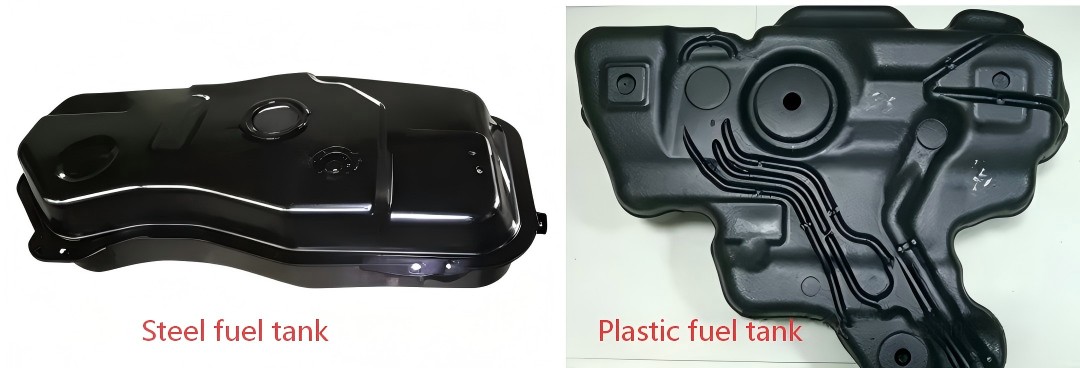
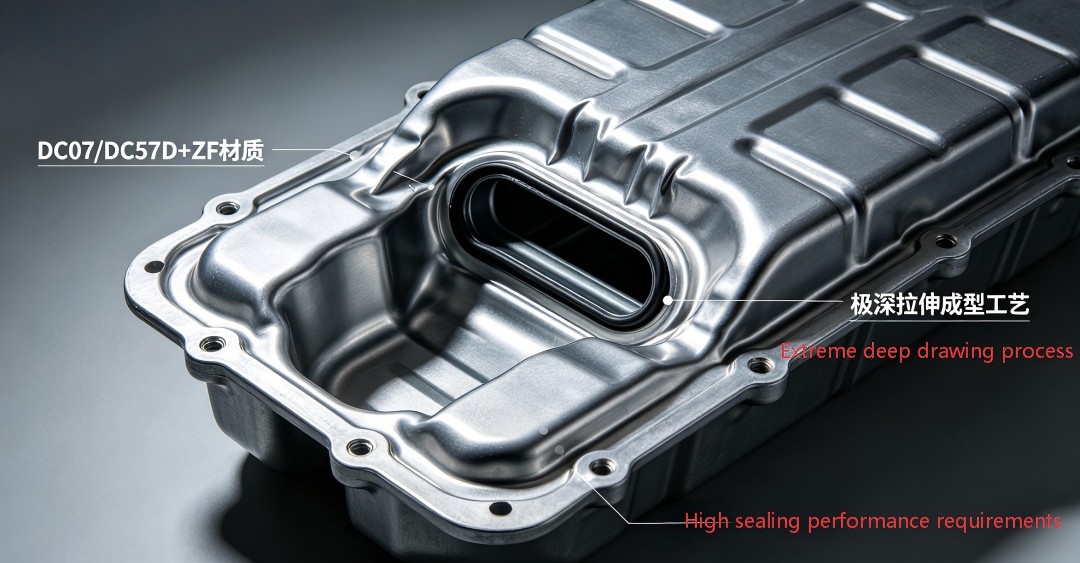
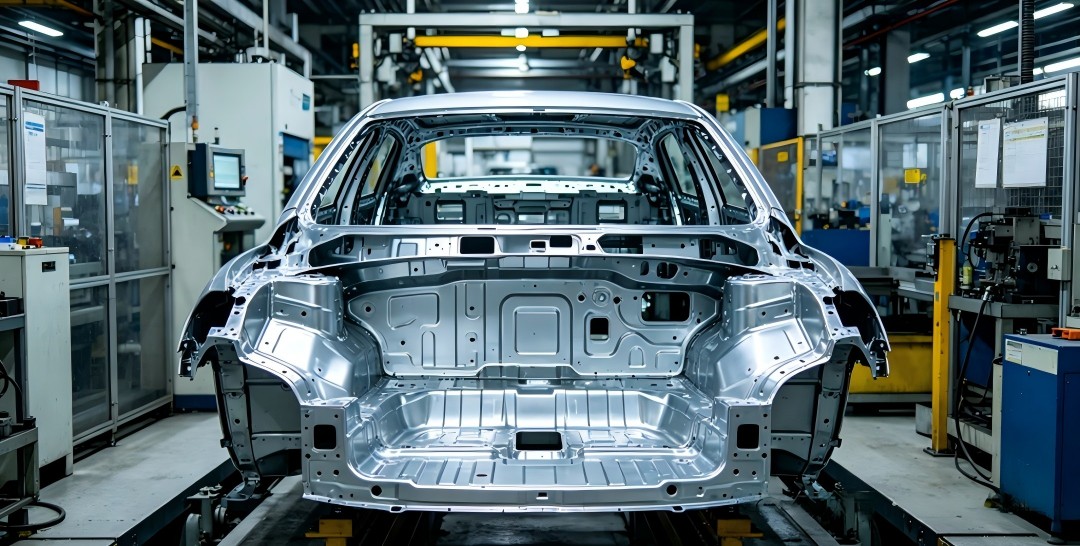
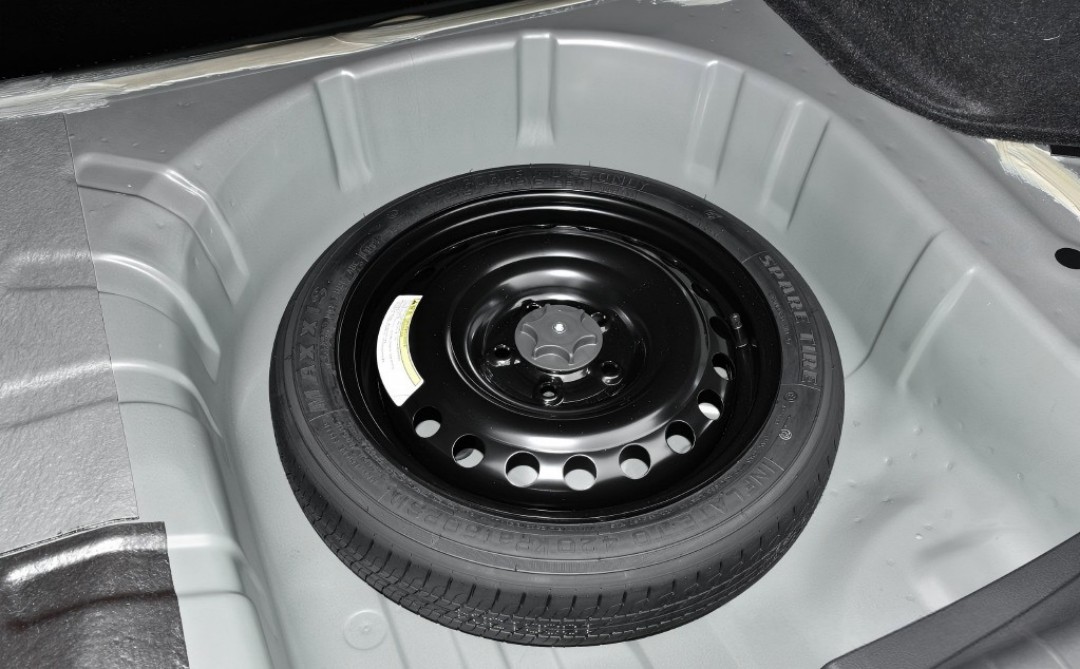
Figure 3: Vehicle Spare Wheel Well (DC06/DC56D+ZF/0.8mm) – Deep drawn component
|
Component Name |
Preferred Grade |
Alternative Grade |
Application Description |
|
Metal fuel tank |
DC07/DC57D+ZF |
DC06/DC56D+ZF |
Extreme deep drawing, with extremely high sealing requirements |
|
Spare wheel well |
DC06/DC56D+ZF |
DC05/DC54D+ZF |
Deep drawing with complex geometry |
|
Wheel arch |
DC05/DC54D+ZF |
DC04/DC53D+ZF |
Prone to mud and water erosion, requiring excellent corrosion resistance |
|
Oil pan |
DC04/DC54D+ZF |
DC03/DC52D+ZF |
Deep drawing, oil resistance is required |
|
Various brackets |
DC01/DC51D+ZF |
DC03/DC52D+ZF |
Simple shape, mainly used for support |
|
Instrument panel crossmember |
DC03 |
DC04 |
Designed to support the instrument panel and steering system |
Plain Text
Step 1: Determine corrosion resistance requirements
├─ Dry interior environment → Select cold rolled steel (DC01-DC07)
└─ Exterior exposed areas / Chassis / Humid environment → Select galvannealed steel (DC51D+ZF-DC57D+ZF)
Step 2: Judge component forming complexity
├─ Simple bending/flanging / Small brackets → DC01/DC51D+ZF
├─ Normal drawing / Reinforcement plates / Crossmembers → DC03/DC52D+ZF
├─ Deep drawing / General inner panels / Floor panels → DC04/DC53D+ZF
├─ Extra deep drawing / Complex inner panels / Wheel housings → DC05/DC54D+ZF
├─ Ultra-deep drawing / Outer panels / Spare wheel wells → DC06/DC56D+ZF
└─ Extreme deep drawing / Metal fuel tanks → DC07/DC57D+ZF
Step 3: Cost optimization verification
├─ Prioritize lower-grade steels if performance requirements are met
├─ For the same grade: Cold rolled steel is approximately 8%-12% cheaper than galvannealed steel
└─ DC01 costs roughly 10%-15% less than DC06
Comparison Table of Main Grades at Home and Abroad
6.1 Grade Comparison of Cold Rolled Low Carbon Steel Sheets
|
Europe: EN 10130 |
China: GB/T 5213-2019 |
Baosteel: Q/BQB 408 |
Ansteel: Q/ASB 310 |
Wuhan Iron and Steel: Q/WG (JS) 01 |
Japan: JIS G3141 |
USA: ASTM A1008 |
|
DC01 |
DC01 |
DC01 |
DC01 |
DC01 |
SPCC |
CS Type B |
|
DC03 |
DC03 |
DC03 |
DC03 |
DC03 |
SPCD |
DS Type B |
|
DC04 |
DC04 |
DC04 |
DC04 |
DC04 |
SPCE |
DDS Type B |
|
DC05 |
DC05 |
DC05 |
DC05 |
DC05 |
SPCF |
EDDS Type B |
|
DC06 |
DC06 |
DC06 |
DC06 |
DC06 |
SPCG |
UDDDS Type B |
|
DC07 |
DC07 |
DC07 |
DC07 |
DC07 |
- |
- |
6.2 Grade Comparison of Hot-Dip Galvannealed Steel Sheets
|
Europe: EN 10346 |
China: GB/T 2518-2019 |
Baosteel: Q/BQB 420 |
Ansteel: Q/ASB 315 |
Wuhan Iron and Steel: Q/WG (JS) 02 |
Japan: JIS G3302 |
USA: ASTM A653 |
|
DC51D+ZF |
DC51D+ZF |
DC51D+ZF |
DC51D+ZF |
DC51D+ZF |
SGCC+ZF |
CS Type B+GA |
|
DC52D+ZF |
DC52D+ZF |
DC52D+ZF |
DC52D+ZF |
DC52D+ZF |
SGCD+ZF |
DS Type B+GA |
|
DC53D+ZF |
DC53D+ZF |
DC53D+ZF |
DC53D+ZF |
DC53D+ZF |
SGCE+ZF |
DDS Type B+GA |
|
DC54D+ZF |
DC54D+ZF |
DC54D+ZF |
DC54D+ZF |
DC54D+ZF |
SGCF+ZF |
EDDS Type B+GA |
|
DC56D+ZF |
DC56D+ZF |
DC56D+ZF |
DC56D+ZF |
DC56D+ZF |
SGCg+ZF |
UDDDS Type B+GA |
|
DC57D+ZF |
DC57D+ZF |
DC57D+ZF |
DC57D+ZF |
DC57D+ZF |
- |
|
Supplementary Note: Chinese national standard grades adopt the DX prefix, which has identical performance to European DC prefix grades and can be used interchangeably.
Industry Trends and Notes
7.1 Three Major Development Trends
1. Complete replacement of galvanized sheet:Mainstream automakers have achieved 100% galvanization for body outer panels. The galvanization rate of inner panels rose from 60% in 2020 to over 85% in 2025.
2. Growing consumption of ultra-deep drawing steel: With increasingly complex automotive designs, the proportion of DC06/DC07 and DC56D+ZF/DC57D+ZF used has increased from 10% to 25%.
3. Thin specification: Through optimizing the forming process, major car manufacturers have generally replaced 0.7mm steel with 0.65mm steel, and some models have begun to use 0.6mm or even 0.55mm steel.
7.2 Common Material Selection Misconceptions
•❌ Blind selection of high-grade steel: Using DC07 for components applicable to DC06 will raise material costs by approximately 5%-8%.
•❌ Neglect of coating differences: The zinc-iron alloy coating (+ZF) delivers over 30% better weldability and higher paint adhesion than pure zinc coating (+Z), making it more suitable for automotive bodies.
•❌ Ignorance of strain rate effect: Exclusion of C and P parameters in crash simulation will lead to results about 15%-20% softer than actual conditions.
•❌ Using uniform material parameters: High-precision simulations must use the actual measured data provided by the supplier for the materials, and cannot directly use general parameters.
Quick Reference: Common Stamping Defects of DC Series Steel & Solutions
8.1 General Defects (Applicable to both cold rolled steel and galvannealed steel)
|
Defect Name |
Typical Phenomenon |
Main Causes |
Solutions |
|
Splitting |
Cracks occur at part radii, flanges or deep drawing bottoms |
1.Insufficient formability of steel grade 2.Excessive blank holder force 3.Too small die fillet radius 4.Poor lubrication
|
1.Upgrade formability grade by one level (e.g. DC04 → DC05) 2.Reduce blank holder force locally 3.Enlarge fillet radius R in critical areas 4.Increase the dosage of stamping oil |
|
Wrinkling |
Wavy wrinkles appear on part flanges or side walls |
1.Insufficient blank holder force 2.Improper draw bead design 3.Uneven material thickness
|
1.Increase blank holder force wholly or locally 2.Add or adjust the height of draw beads 3.Replace with qualified materials |
|
Springback |
Part dimensions deviate from the designed dimensions after demolding |
1.Excessively high yield strength of material 2.Forming stress release 3.Insufficient addendum surface
|
1.Adopt springback compensation design 2.Add sizing process 3.Optimize stamping direction
|
|
Surface Scratching |
Strip-shaped scratches appear on the part surface |
1.Rough die surface or burrs 2.Impurities on material surface 3.Scratches caused by feeding mechanism |
1.Polish the working surface of the die to Ra ≤ 0.8μm 2.Clean materials and dies 3.Attach protective film to materials |
|
Necking |
Severe local thinning occurs, leading to imminent splitting |
1.Uneven material flow 2.Excessive local deformation 3.Insufficient lubrication
|
1.Optimize the arrangement of draw beads 2.Increase local fillet radii 3.Enhance local lubrication |
8.2 Defects Specific to Galvanized Steel Sheets (DC51D+ZF ~ DC57D+ZF)
|
Defect Name |
Typical Phenomenon |
Main Causes |
Solutions |
|
Coating peeling |
Coating delaminates from the substrate after stamping |
1.Poor coating adhesion 2.Excessive deformation 3.Rough die surface
|
1.Replace with qualified galvanized steel sheets 2.Optimize process to reduce local deformation 3.Polish the die to Ra ≤ 0.8μm |
|
Coating powdering |
Coating pulverizes and sheds during stamping |
1.Excessively high iron content in Zn-Fe alloy coating (>15%) 2.Excessive deformation 3.Poor lubrication
|
1.Select qualified coating with iron content of 10%-12% 2.Control local deformation within 30% 3.Use stamping oil specially formulated for galvanized steel sheets |
|
Zinc dross |
Protruding zinc particles form on the part surface |
1.Zinc nodules on raw material surface 2.Zinc buildup on die surface |
1.Strengthen incoming inspection of raw materials 2.Clean die surface regularly per shift 3.Optimize lubrication to reduce zinc adhesion |
|
Surface color difference |
Uneven discoloration on the part surface |
1.Uneven coating thickness 2.Uneven friction during stamping 3.Residual lubricant
|
1.Select materials with uniform coating 2.Standardize lubrication conditions 3.Clean parts promptly after stamping |
|
Welding pinholes |
Pinholes or incomplete welds occur after resistance welding |
1.Residue of pulverized coating 2.Improper welding parameters 3.Excessively thick coating |
1.Clean the welding area before welding 2.djust welding current and welding time 3.Select materials with coating thickness ≤ 60g/m² |
8.3 Reference Stamping Process Parameters for Different Grades of DC Steel
|
Grade Range |
Recommended Blank Holder Force (MPa) |
Recommended Stamping Speed (strokes/min) |
Recommended Lubrication Method |
|
DC01/DC03/DC51D+ZF/DC52D+ZF |
1.5-2.5 |
15-25 |
Conventional stamping oil |
|
DC04/DC05/DC53D+ZF/DC54D+ZF |
1.0-2.0 |
10-20 |
Extreme pressure stamping oil |
|
DC06/DC07/DC56D+ZF/DC57D+ZF |
0.8-1.5 |
8-15 |
Special oil for deep drawing + PE protective film |
Conclusion
DC series low-carbon steel serves as a cornerstone of the automotive industry and is a fundamental material that all automotive engineers need to master.
A thorough understanding of property differences among various grades and solutions to common stamping defects enables the optimal balance of performance, quality and cost in product design.
With the advancement of automotive electrification, DC series low-carbon steel is continuously upgraded. It complements high-strength steel and aluminum alloy, jointly underpinning the sustainable development of the automotive industry.


